
Wildfire Resilience Starts Long Before Fire Season

By Angela Wethered July 3, 2026
Living in the forests of Northeast Washington is one of life's greatest privileges. Towering pines, abundant wildlife, and the quiet beauty of our mountains are why so many of us choose to call Stevens County home.
Living here also means accepting the responsibility that comes with wildfire season.
Over the years, I've watched our local volunteer firefighters respond first, followed by the Washington Department of Natural Resources (DNR), the U.S. Forest Service, neighboring fire districts, and even the Washington National Guard during major wildfire events. Protecting our communities truly is a team effort.
As a custom home builder, I believe wildfire resilience begins long before the first shovel goes into the ground—and long before the first hint of smoke appears on the horizon.

A Personal Connection
Wildfire preparedness has always been personal to me.
My father served as a career firefighter, bomb technician, and volunteer wildland firefighter. Growing up, I learned to respect the men and women who answer the call when everyone else is heading the other direction. That appreciation has stayed with me throughout my career and continues to influence how I view construction, community, and preparedness.
Our home is located within Stevens County Fire Protection District 11, while Wethered Timberworks builds custom homes throughout Fire District 10, Fire District 11, and many other fire protection districts across Stevens County.
Like many rural fire districts throughout Washington, our local departments rely heavily on dedicated volunteers. When a major emergency occurs, district lines disappear as firefighters work together through mutual aid to protect lives, homes, businesses, forests, and critical infrastructure.
Supporting Those Who Serve
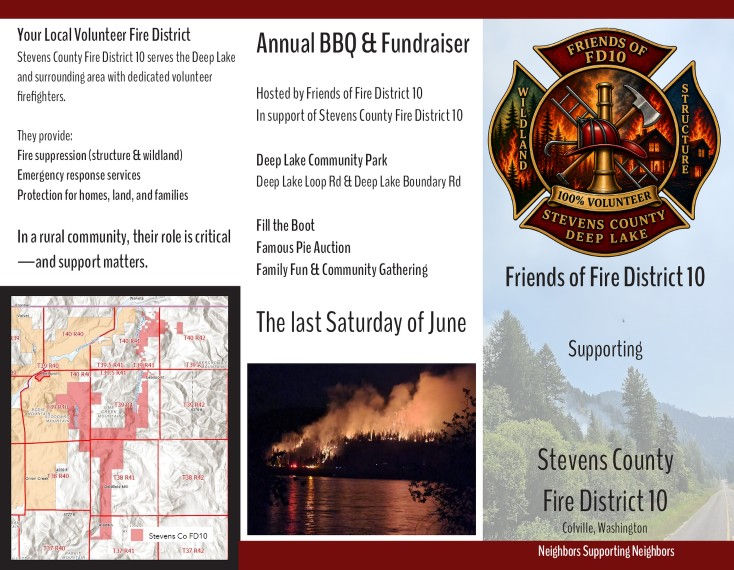
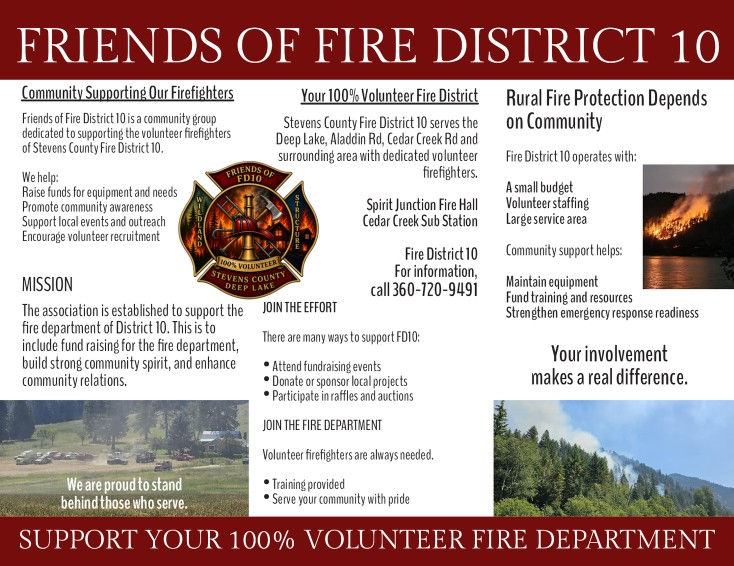
When Friends of Fire District 10 reached out through looking for volunteers and was at risk of dissolving, I saw an opportunity to give back.
I joined because they needed help.
Supporting Friends of Fire District 10 isn't about choosing one district over another. It's about supporting the volunteer firefighters who willingly serve our rural communities. Whether they respond from District 10, District 11, another neighboring district, DNR, the U.S. Forest Service, or another agency, they're all working toward the same goal—protecting our communities.
Every fundraiser, every volunteer, every donation, and every hour invested strengthens the people who may someday be protecting our homes.
Strong emergency services build stronger communities.
Understanding What "Volunteer" Really Means
The word volunteer is easy to overlook until you stop and think about what it truly means.
Our volunteer firefighters aren't sitting at a staffed fire station waiting for the next emergency. They're at work, eating dinner with their families, coaching Little League, repairing fences, running businesses, or simply trying to enjoy a quiet evening at home.
Then the pager goes off.
Within minutes, they're leaving whatever they were doing to respond to someone else's emergency.
Many drive their own personal vehicles to the station or directly to an incident. They purchase fuel for those vehicles just like the rest of us. They put miles on their own trucks, sacrifice time with their families, miss holidays, lose sleep, and often leave paying work behind to help complete strangers.
They don't do it for a paycheck.
They do it because someone needs help.
When you see a fundraiser supporting a volunteer fire district or an organization like Friends of Fire District 10, it isn't about paying firefighters to do their jobs. It's about helping provide equipment, training, supplies, and resources that support the men and women who willingly answer the call.
Every community benefits from volunteer firefighters—even those of us who may never need to dial 911.
Building Homes with Resilience in Mind
Wildfire resilience begins during the planning and construction process.
While no home can ever be considered fireproof, thoughtful design and quality construction can help reduce vulnerabilities and improve a home's ability to withstand wildfire exposure.
At Wethered Timberworks, resilience starts with good planning.
Considerations may include:
• Creating defensible space around the home.
• Selecting durable exterior materials where appropriate.
• Designing roof systems that reduce debris accumulation.
• Incorporating ember-resistant construction details where practical.
• Maintaining adequate clearance between vegetation and structures.
• Planning driveways with emergency vehicle access in mind.
• Working with the natural characteristics of the site rather than against them.
Every property is unique, and wildfire resilience should be considered as part of the overall design process from the very beginning.

Good Housekeeping Is Good Fire Prevention
Fire safety begins long before a family moves into their new home.
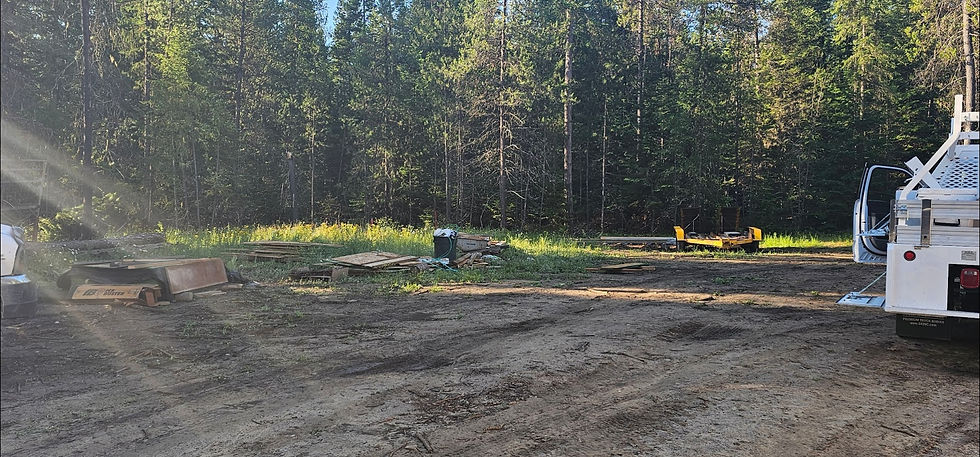
Professional jobsite housekeeping is one of the simplest—and most important—ways to reduce unnecessary fire hazards during construction.
At Wethered Timberworks, we believe a clean, organized jobsite is a safer jobsite.
That means:
• Proper storage of lumber and combustible materials.
• Safe storage of fuels and flammable products.
• Daily cleanup of sawdust and construction debris.
• Proper disposal of oily rags and combustible waste.
• Readily accessible fire extinguishers.
• Responsible hot-work practices.
• Well-maintained equipment.
• Keeping emergency access routes clear throughout construction.
Good housekeeping isn't just about appearance.
It's about professionalism, safety, protecting neighboring properties, and reducing unnecessary risk.
What Homeowners Can Do
Wildfire resilience doesn't end when construction is complete.
Routine maintenance can significantly reduce fire hazards around your home.
Simple steps include:
• Remove pine needles and leaves from roofs and gutters.
• Keep grass mowed during fire season.
• Trim tree limbs away from structures.
• Remove dead vegetation around the home.
• Move stacked firewood away from buildings.
• Keep decks, porches, and patios free of combustible debris.
• Maintain defensible space around your home.
• Keep driveways accessible for emergency responders.
• Clearly display address numbers visible from the road.
• Follow local burn restrictions and outdoor fire regulations.
Many homes are lost to wind-driven embers rather than direct flames.
Small maintenance tasks performed throughout the year can make a meaningful difference.

We Build Where We Live
One of the things I appreciate most about Wethered Timberworks is that we aren't simply building houses in Northeast Washington.
We live here.
Our families live here.
Our neighbors live here.
The firefighters protecting these communities are often our friends, our clients, and our fellow community members.
Supporting local fire districts, building responsibly, maintaining safe jobsites, and helping homeowners understand wildfire resilience are all part of being a responsible builder.

Building Beyond the Blueprint
A builder's responsibility doesn't end when the keys are handed over.
It includes designing thoughtfully, building with quality, maintaining safe jobsites, supporting the emergency responders who protect our communities, and encouraging homeowners to prepare before wildfire season arrives.
We cannot eliminate wildfire.
But together—through thoughtful planning, quality construction, responsible land stewardship, homeowner preparedness, and the dedication of our volunteer firefighters and partnering agencies—we can build communities that are better prepared for whatever tomorrow may bring.
As builders, homeowners, neighbors, and community members, we all have a role to play. Whether it's creating defensible space, supporting a local fundraiser, volunteering our time, or simply thanking those who answer the pager, every effort strengthens our community.
Wildfire resilience isn't built in a single day.
It's built through preparation, partnership, and people who care enough to help one another.
"We don't just build homes. We help build resilient communities."
Building Today's Dreams, Crafting Tomorrow's Legacy


Comments